
Universalis
Universalis PublishingBooks & Reference
4.9301.00 Reviews
- Version
- 2.220
- Installs
- 50.00K
- Age Rating
- Everyone
Screenshots
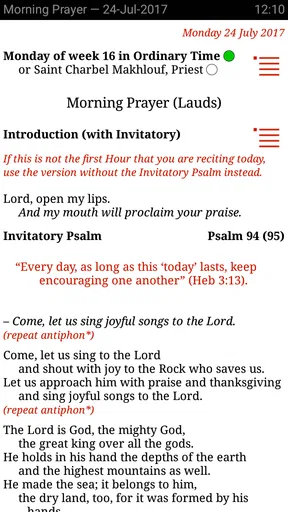
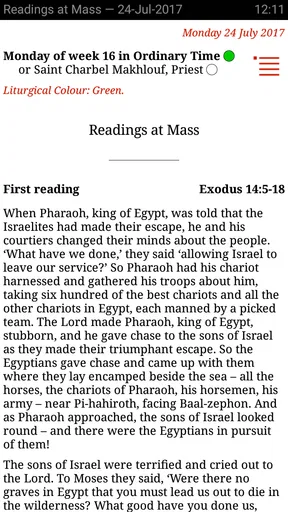
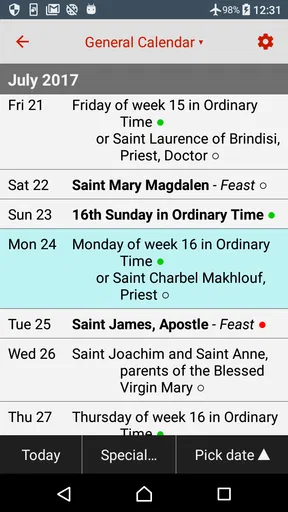
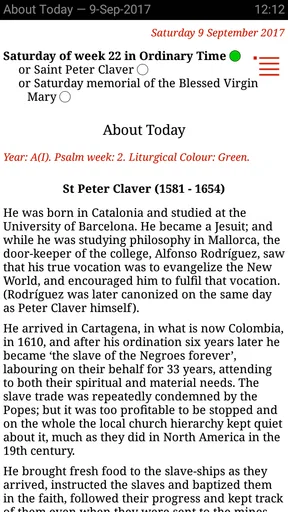
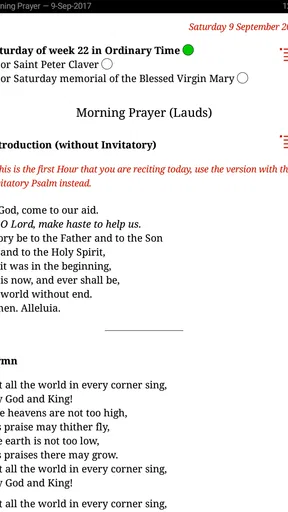
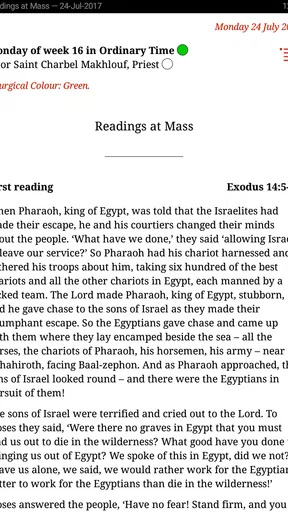
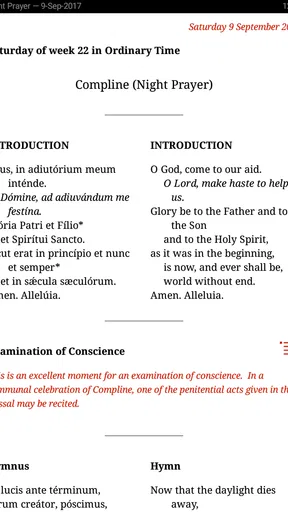
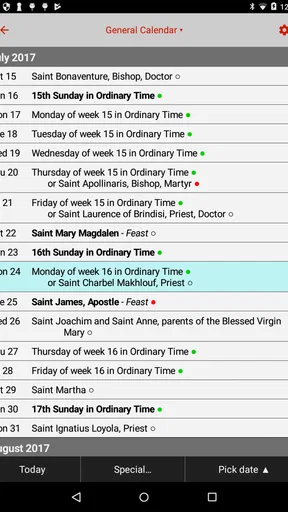
Our Review of Universalis
 Analysis by Appyee
I use a liturgy app for a particular reason: when I want to pray or follow the day’s readings, I would rather open one dependable place than search through websites, calendars and separate prayer books. Universalis is built around that routine. It brings the Catholic Liturgy of the Hours and Mass texts together for the day, and its offline approach makes it practical in places where a connection is inconvenient or unavailable. I find it most valuable not as a general religious reading app, but as a focused companion for returning to a regular pattern of prayer.
A focused place for the day’s prayer
Universalis is a paid Books & Reference app from Universalis Publishing. Its current version is 2.215, and the app has been available since November 4, 2012. That long-running presence matters to me because a daily prayer tool is useful only if it feels dependable enough to become part of a routine. It has a 4.9 average from around 3.7 thousand ratings, and more than 50 thousand installs. The age rating is Everyone.
The central appeal is straightforward: rather than piecing together the day’s Mass readings and the Hours from different sources, you can use one app to follow them. That is especially handy if you already know which prayer you want and simply need the text close at hand. The app costs $12.99, with optional in-app purchases ranging from $1.99 to $20.99 per item, so I would treat it as a deliberate purchase rather than assume every part is included in the initial price.
Its most useful distinction from a generic Bible app is the liturgical structure. A Bible app is usually better for searching scripture, following a study plan or comparing translations across passages. Universalis is more directly suited to someone asking, “What should I pray or read today?” That narrower purpose is a strength if the Hours and Mass are already part of your life; it may feel specialized if you mainly want a broad scripture library.
What the long-running version means in practice
The current release number shows that Universalis has continued to receive version changes over the years, but a version number alone does not tell me exactly which screens or functions changed between releases. I would not read it as proof of a particular redesign or new tool. What matters to a new user is that the app is still presented as a current option, while its core purpose remains clear: daily liturgical material, with offline use as a central convenience.
For someone who has used it for a while, the best way to judge an update is practical: check that the day’s texts open as expected, that your usual route to the Hours still feels familiar, and that any settings you rely on remain in place. I would avoid updating right before an important service or trip if you have no time to check your setup afterward. That is sensible caution for any app you depend on, not a sign of a known problem with this one.
How I would fit it into an ordinary day
Picture a weekday when the morning is already busy. I could open the app before leaving home, find the prayer I intend to follow, and keep the text available for a quieter moment later, even if the train has poor reception. At lunch, I could return to the day’s material rather than trying to remember a passage or locate a separate reading site. That small reduction in friction is where an offline liturgy app earns its place.
A useful habit is to decide in advance which part of the app you actually want to use that day. If I open a large collection without a plan, I can spend the time browsing instead of praying. Choosing a specific Hour or the Mass readings first turns the phone into a prompt for a real routine rather than another screen to scroll. If you are new to the Hours, it can also help to begin with one prayer time you can realistically keep, then expand only if the habit feels natural.
Offline access is particularly valuable for travel, retreat settings, commutes and places where mobile service is unreliable. It also means a phone can serve as a compact reference without needing to load a webpage at the moment you want to read. I would still check that the material you expect to use is available before setting off, especially if you are new to the app or have changed devices. The practical question is not merely whether offline reading is promised, but whether your own setup is ready when you need it.
Where it suits—and where it may not
I would recommend Universalis first to Catholics who already pray the Hours, follow daily Mass readings, or want one organized place for both. It can also suit someone exploring a structured prayer routine, provided they are willing to learn the shape of liturgical prayer rather than expecting a general-purpose devotional feed. The best fit is a reader who values having the right material for the day more than having every possible Bible study feature in one app.
It is less compelling if you rarely use liturgical texts, want a free reading tool, or mainly need advanced scripture search and annotation. In those cases, a general Bible app or a printed prayer book may be a better match. A paper book avoids phone notifications and screen fatigue; a broader scripture app is often easier for topical study. Universalis makes most sense when daily liturgy is the job you want the app to do.
Small trade-offs worth considering
The purchase price is a real point to weigh. If you expect to open the app regularly, paying for a dedicated liturgical resource may feel worthwhile; if you only need occasional readings, the cost can be harder to justify. The optional purchases also mean it is wise to check what you plan to use before budgeting around the base app. I would make that decision based on an actual routine, not on the appealing idea of a routine I may never keep.
There is also a difference between having texts available and understanding how to use them. A well-organized prayer resource can reduce searching, but it cannot decide which Hour fits your day or explain every liturgical choice in a way that replaces personal guidance. If you are unfamiliar with the structure, take time to learn the pattern and use the app as a reference rather than expecting it to teach the whole tradition automatically. This is a focused tool, not a substitute for every kind of religious instruction.
My verdict for prospective users
As a Books & Reference app, Universalis has a clear reason to exist: it helps make the day’s liturgical texts accessible in a format suited to regular use, including offline moments. I like that its value is tied to a specific practice rather than vague promises of inspiration. The main decision is whether that practice is already important to you—or whether you are ready to give it a genuine place in your day.
If you want Mass and the Hours close at hand and expect to return to them often, I think the focused design and offline convenience make it worth considering. If you need a broad Bible study workspace, dislike reading on a phone, or are unlikely to use liturgical texts regularly, I would choose a different option. For the right reader, it can be a calm, practical aid; for everyone else, its specialization and price are good reasons to pause before buying.
Ever stumbled upon an app that seems to have it all? Well, let me introduce you to Universalis. This app is like your trusty digital companion, especially if you're someone who loves to delve into liturgical texts and daily readings. I decided to give it a whirl, and here's how it went.
First Impressions
Downloading Universalis was a breeze. It quickly found its spot on my home screen, nestled between my productivity and reading apps. The interface? Surprisingly sleek and user-friendly, which isn’t always the case with apps in this niche. It feels like a breath of fresh air, honestly.
Once inside, you’re greeted with a plethora of options. From daily Mass readings to the Liturgy of the Hours, it’s all laid out in a way that makes you want to dive in. I found myself tapping through the various sections just to see what was available. Spoiler alert: there's a lot!
The Features That Stand Out
One of the standout features for me is the offline access. You can download content for the day, week, or even longer, ensuring you’re never without your readings, even when you’re off the grid. This was a lifesaver during a recent camping trip!
Moreover, the app offers translations in multiple languages. For someone who’s bilingual or trying to brush up on another language, this is a fantastic tool. Switching between languages is seamless, and it broadens the app's usability.
The daily reminders feature is another handy addition. Set your preferred times for notifications, and the app gently nudges you when it’s time for your spiritual reading or prayer. It's like having a personal liturgical assistant!
User Experience
Navigation through the app is intuitive. The developers clearly put a lot of thought into the user experience. You’re not overwhelmed with information, yet everything you need is just a tap away. The readings load quickly, and there’s no lag, which is a huge plus.
For those who love to delve deep, there's an abundance of commentary and explanations available. It’s like having a mini theological library in your pocket. I found myself learning new things every day, which was a delightful surprise.
Integration and Compatibility
Universalis plays well with others too. It syncs effortlessly with calendars, allowing you to integrate your faith schedule with your daily planner. This integration is something I didn’t know I needed until I had it.
The app is available on both Android and iOS, and it runs smoothly on both platforms. Whether you’re an Apple aficionado or an Android enthusiast, Universalis won’t let you down.
Final Thoughts
In a world where we’re bombarded with apps all claiming to be the best, Universalis genuinely stands out. It’s more than just an app; it’s a tool that can enhance your daily life, providing spiritual nourishment and a sense of calm amidst the chaos.
Whether you’re deeply spiritual or just starting to explore, Universalis offers something for everyone. It’s a reliable companion that’s always there when you need it, guiding you through your spiritual journey with ease. Give it a try, and you might find it becomes an essential part of your daily routine, just like it did for me.
Verdict
Strengths of Universalis
- User-friendly interface for easy navigation.
- Comprehensive data on crafting and markets.
- Real-time updates enhance accuracy.
- Cross-platform functionality available.
- Supports multiple languages for inclusivity.
Limitations of Universalis
- Requires stable internet connection.
- Limited offline functionality.
- May drain battery quickly on older devices.
- Occasional sync issues with certain servers.
- Learning curve for new users.
Similar Picks in This Category
View All
Google Play Books & Audiobooks
Google LLC4.7

네이버 - NAVER
NAVER Corp.3.5

Wattpad - Read & Write Stories
Wattpad.com3.7

King James Bible - Verse+Audio
Ozion4.8

Bible Offline-KJV Holy Bible
Bíblia Offline4.9

Amazon Kindle: Reading App
Amazon Mobile LLC4.8
Frequently Asked Questions
What is Universalis, and what does it offer?
Universalis is a comprehensive app that provides users with access to the Liturgy of the Hours and Mass readings for the Catholic Church. It offers daily prayers, saints of the day, and even a calendar of liturgical events. The app is designed to help users stay connected to their faith with ease and accessibility.
Is Universalis available offline?
Yes, Universalis is available offline. Once downloaded, the app stores all its content on your device, allowing you access without an internet connection. This feature is particularly useful for users who travel frequently or have limited internet access, ensuring they can engage with the content anytime, anywhere.
How user-friendly is the Universalis app?
Universalis is designed with user-friendliness in mind. The interface is intuitive, with easy navigation to different sections such as daily Mass readings, prayers, and saints. Its clean layout and clear fonts make it accessible for users of all ages, ensuring a seamless experience in exploring their faith.
Does Universalis offer customization options?
Yes, Universalis offers a variety of customization options to enhance user experience. You can adjust font sizes, switch between different translations, and even set reminders for prayers and readings. These features allow users to tailor the app to their personal preferences and devotional needs.
What platforms is Universalis available on?
Universalis is available on both Android and iOS platforms. This ensures that a wide range of users can download and use the app on their preferred devices. Additionally, the app frequently receives updates to improve functionality and add new features, keeping it current with technological advancements.
